
Industries · Commercial landlords
Business energy for commercial landlords
Landlords manage energy for common areas, void units and sometimes tenants. That brings its own contract and recharging questions.
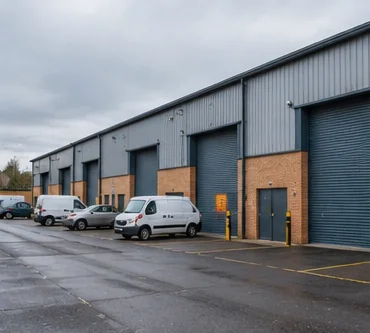
How commercial landlords use energy
- Common areasLighting, lifts and heating in shared spaces.
- Void unitsSupplies that still need a contract when empty.
- Landlord-supplied tenantsWhere energy is recharged.
- Multiple buildingsOften with different end dates.
Things to consider when buying
- Void properties can end up on deemed or out-of-contract rates. Keep them under contract.
- If you resell energy to tenants, there are rules on how much you can recharge. Take advice on your arrangements.
- A portfolio view of all your supplies makes renewals manageable.
Questions
Can you help with void properties?
Yes. Include them in your enquiry. Unmanaged voids are a common source of high rates.
Can I recharge energy to tenants?
Yes, but there are rules on reselling energy and how much you can charge. Take advice on your arrangement.
Who is responsible for a void unit's supply?
Usually the landlord, from the date the tenant leaves. Take a reading on that date.
We introduce enquiries to an energy broker partner and may receive a fee. We're not a supplier and don't give whole-of-market advice. How we're paid
Your next energy contract deserves a closer look.
About two minutes. No obligation.