
Industries · Hair and beauty
Business energy for hair salons, barbers and beauty businesses
Salons and barbers run lots of high-wattage kit at once: dryers, straighteners and clippers, plus constant hot water for basins and laundry. For a single small unit, the standing charge can be a big part of the bill.
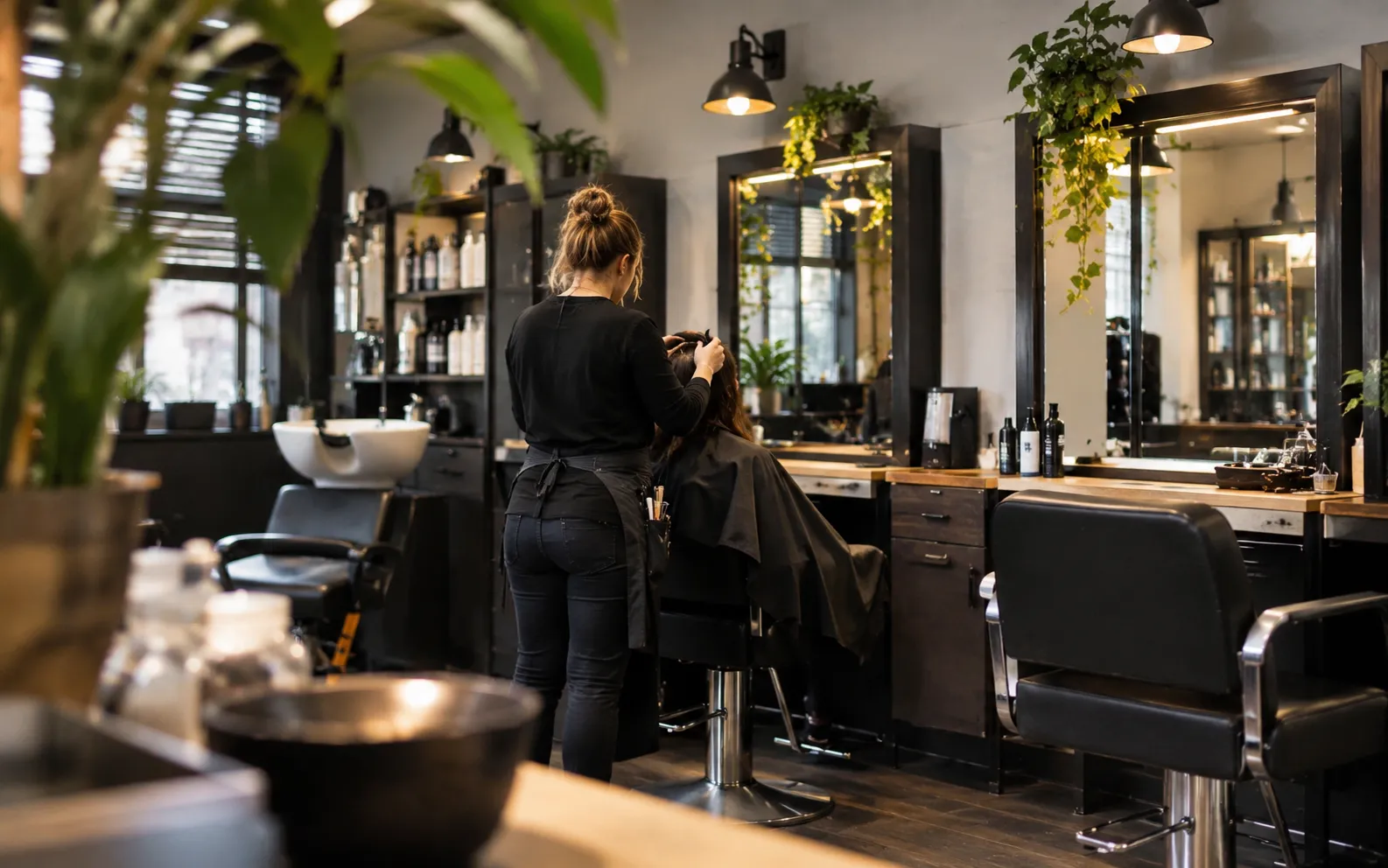
How hair and beauty use energy
- Hairdryers and styling toolsSeveral running at once at busy times.
- Hot waterBasins all day, often from an electric or gas water heater.
- LaundryTowels washed and tumble-dried daily.
- LightingBright lighting at every station.
- HeatingKeeping clients comfortable in winter.
- Beauty equipmentTreatment beds, steamers and other kit.
Things to consider when buying
- Most salons and barbers are microbusinesses, which brings extra protections.
- Compare standing charges as well as unit rates, as many are small, single-unit sites.
- If you rent a chair or room, check whose name the supply is in before you look at contracts.
Questions
I rent a chair in someone else's salon. Can I change the energy?
Usually not. The supply is normally in the salon owner's name. The owner would need to make the enquiry.
Are salons usually microbusinesses?
Many are. Ofgem's definition includes businesses using under 100,000 kWh of electricity a year, or with fewer than 10 employees and turnover or balance sheet under €2 million.
Electric or gas water heating: does it matter?
It changes which bill carries the cost. Review both fuels if you have both.
We introduce enquiries to an energy broker partner and may receive a fee. We're not a supplier and don't give whole-of-market advice. How we're paid
Your next energy contract deserves a closer look.
About two minutes. No obligation.