
Industries · Manufacturing
Business energy for manufacturers
Production lines, process heat and refrigeration make energy a major cost. Contracts are more complex too: multiple meters, half-hourly pricing and choices about when to buy.
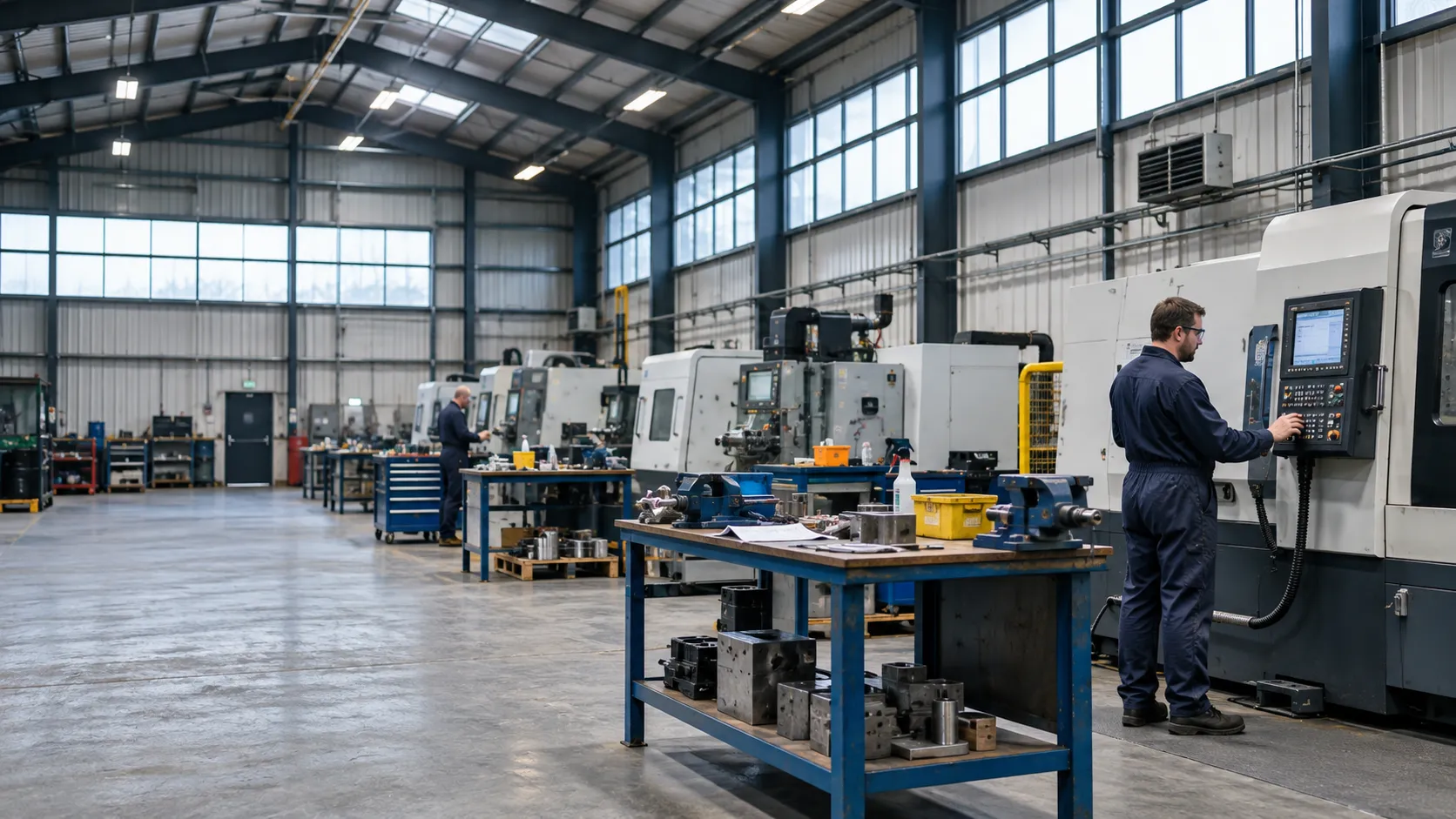
How manufacturing use energy
- Production loadsMotors, presses and lines running in shifts.
- Process heatOvens, boilers and furnaces, often gas-fired.
- Refrigeration and coolingFor food, chemicals and some materials.
- Compressed airCommon across most plants.
- Multiple metersSeparate supplies for buildings or processes.
Things to consider when buying
- Non-commodity costs (network and policy charges) can be a large share of the bill. Check how each contract treats them.
- Flexible purchasing can suit high, steady demand, but needs active management.
- Plan around production changes, as volume tolerances in some contracts can bring extra charges.
Questions
Fixed or flexible for a manufacturer?
It depends on your size, risk appetite and capacity to manage purchasing. See fixed vs flexible.
What are non-commodity costs?
Charges other than the energy itself, such as network and policy costs. They can be a large share of a manufacturer's bill.
Can we buy energy in stages?
Yes. Flexible purchasing and pooled baskets let larger users buy over time. See corporate and procurement.
We introduce enquiries to an energy broker partner and may receive a fee. We're not a supplier and don't give whole-of-market advice. How we're paid
Your next energy contract deserves a closer look.
About two minutes. No obligation.