
Industries · Warehousing and distribution
Business energy for warehouses and distribution
Big spaces mean big lighting and heating loads, plus handling equipment and, for some, temperature-controlled storage.
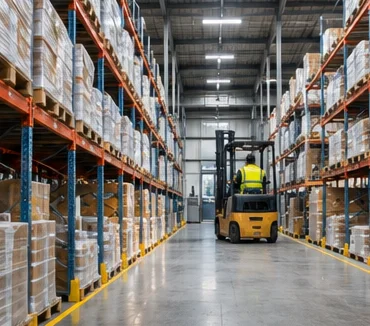
How warehousing and distribution use energy
- LightingHigh-bay lighting over large areas, often long hours.
- HeatingLarge volumes and loading doors.
- Handling equipmentForklift and pallet truck charging.
- Temperature controlChilled or frozen storage where needed.
- Conveyors and automationIn larger sites.
Things to consider when buying
- Cold stores are often half-hourly metered with significant capacity charges.
- Shift patterns affect your consumption profile; share them with the energy expert.
- Multi-site operators should consider a portfolio approach.
Questions
We run cold storage. Anything specific?
Refrigeration runs 24/7, so your unit rate and capacity terms matter most. Share HH data if you have it.
We charge forklifts overnight. Does that help?
On half-hourly supplies, overnight use is often cheaper than peak-time use, so it can.
Do empty units still need a contract?
Yes. An empty unit still has a supply and standing charges, and can end up on expensive rates.
We introduce enquiries to an energy broker partner and may receive a fee. We're not a supplier and don't give whole-of-market advice. How we're paid
Your next energy contract deserves a closer look.
About two minutes. No obligation.